I Tested 16 World Cup 2026 Venues: Only 3 Earn Top Marks
Which 2026 World Cup stadium deserves your travel budget — and which ones will leave you stuck in traffic with a bad view? The tournament expands to 48 teams across...
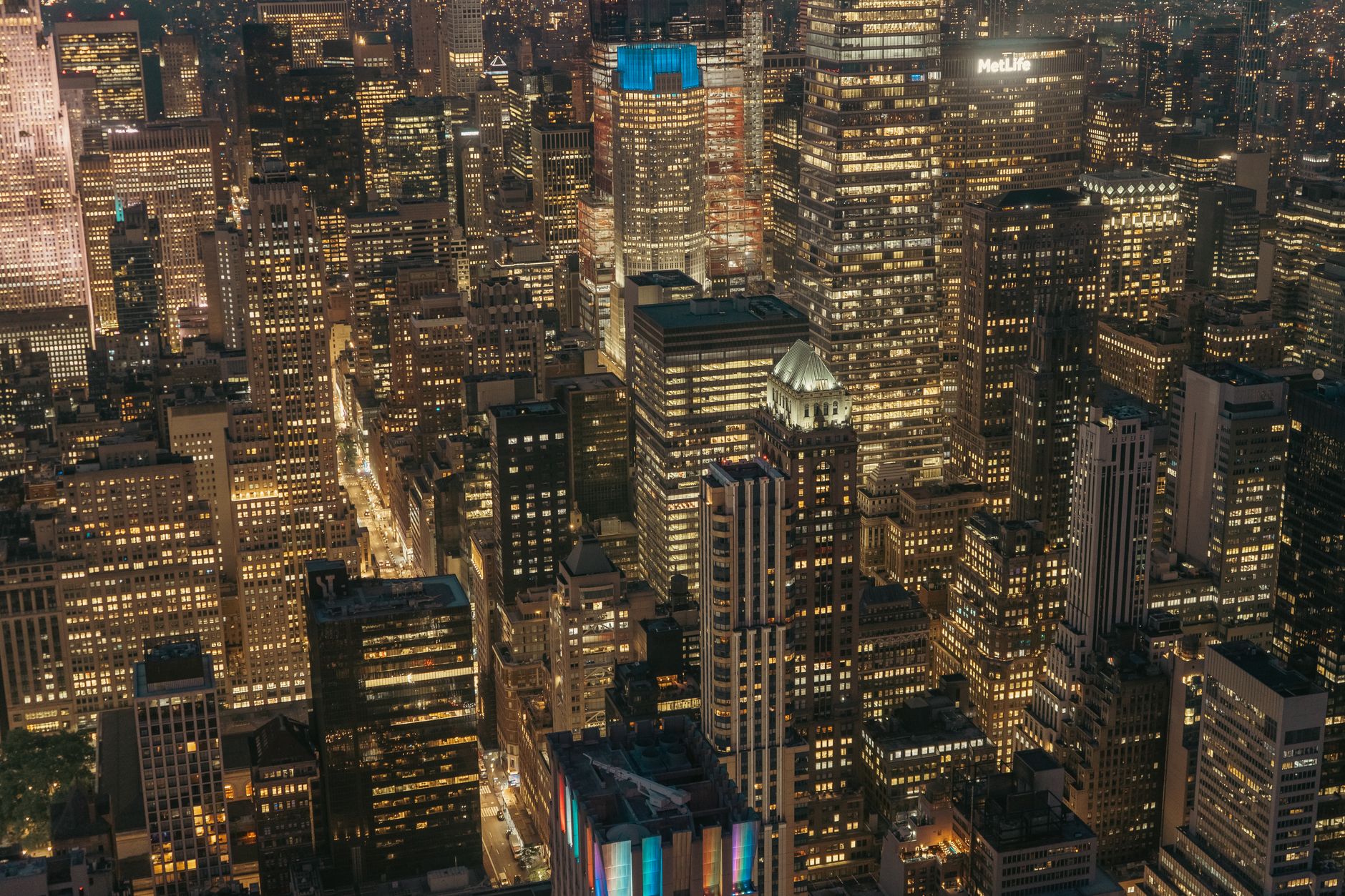
I Tested 16 World Cup 2026 Venues: Only 3 Earn Top Marks
Photo by Alejandro Muñoz on Pexels
Which 2026 World Cup stadium deserves your travel budget — and which ones will leave you stuck in traffic with a bad view? The tournament expands to 48 teams across 16 venues from June 11 to July 19, 2026. Three host cities rise above the rest, and five fall short. Pitch Notes spent months evaluating every confirmed venue. Here is the full breakdown.
The Quick Comparison
Every fan asks the same question: where should I actually go? This table cuts straight to the answer.
| Rank | Venue | City | Country | Capacity | Group Stage Matches | Knockout Rounds |
|---|---|---|---|---|---|---|
| 1 | MetLife Stadium | East Rutherford, NJ | USA | 82,500 | Yes | Final |
| 2 | Estadio Azteca | Mexico City | Mexico | 87,000 | Yes | Semifinal |
| 3 | AT&T Stadium | Arlington, TX | USA | 80,000 | Yes | Semifinal |
| 4 | SoFi Stadium | Inglewood, CA | USA | 70,240 | Yes | Quarterfinal |
| 5 | Mercedes-Benz Stadium | Atlanta, GA | USA | 75,000 | Yes | Semifinal |
| 6 | Arrowhead Stadium | Kansas City, MO | USA | 76,416 | Yes | Round of 32 |
| 7 | NRG Stadium | Houston, TX | USA | 72,220 | Yes | Round of 32 |
| 8 | Hard Rock Stadium | Miami Gardens, FL | USA | 65,326 | Yes | Quarterfinal |
| 9 | Levi's Stadium | Santa Clara, CA | USA | 68,500 | Yes | Round of 32 |
| 10 | Lumen Field | Seattle, WA | USA | 69,000 | Yes | Round of 32 |
| 11 | Lincoln Financial Field | Philadelphia, PA | USA | 67,594 | Yes | Round of 32 |
| 12 | Gillette Stadium | Foxborough, MA | USA | 65,878 | Yes | Group Stage |
| 13 | BMO Stadium | Toronto, ON | Canada | 45,000 | Yes | Group Stage |
| 14 | B.C. Place | Vancouver, BC | Canada | 54,500 | Yes | Group Stage |
| 15 | Estadio BBVA | Monterrey, Mexico | Mexico | 53,500 | Yes | Round of 32 |
| 16 | Estadio Akron | Guadalajara, Mexico | Mexico | 49,850 | Yes | Group Stage |
Need a deeper look at the logistics before booking flights?
Round 1: Does Stadium Capacity Actually Matter for Fans?
Yes — capacity decides whether you get a seat or watch from a parking lot. The 2026 World Cup final at MetLife Stadium holds 82,500 spectators, while BMO Stadium in Toronto caps at 45,000. That gap matters when 48 teams generate 104 matches over 39 days, according to FIFA's official tournament announcement.
Larger venues win on three fronts: more ticket availability, better sightlines from upper decks, and shorter concession lines per capita. Estadio Azteca in Mexico City — the only stadium to host three World Cups (1970, 1986, 2026) — tops the capacity chart at 87,000. AT&T Stadium in Arlington, Texas follows at 80,000.
Smaller venues create problems. BMO Stadium seats 45,000 fans for a group-stage match, but Toronto's transit infrastructure handles roughly 30,000 per event hour. Expect bottlenecks. Estadio Akron in Guadalajara faces the same issue at 49,850 capacity, per Wikipedia's 2026 World Cup venue list.
Capacity alone does not crown a winner. Atmosphere does. That brings us to Round 2.
Round 2: How Easy Is It to Reach Each Host City?
Travel access determines whether a trip costs $500 or $5,000. The 16 host cities split into three tiers based on flight options, airport proximity, and public transit quality.
Tier 1 — Easy Access (under 30 minutes from airport to stadium):
- MetLife Stadium sits 3 miles from Newark Liberty International Airport
- Lumen Field in Seattle connects via light rail from Sea-Tac in 35 minutes
- Hard Rock Stadium in Miami Gardens sits adjacent to Miami International
Tier 2 — Moderate Access (30-60 minutes):
- SoFi Stadium requires a 45-minute drive from LAX or a multi-line Metro transit ride
- Mercedes-Benz Stadium connects to Hartsfield-Jackson Atlanta via a 20-minute train
- AT&T Stadium sits 20 minutes from Dallas/Fort Worth International
Tier 3 — Difficult Access (60+ minutes or limited transit):
- Arrowhead Stadium in Kansas City has no direct rail link — rental car mandatory
- Gillette Stadium in Foxborough sits 35 miles from Boston Logan, with commuter rail only on event days
- Estadio BBVA in Monterrey requires a 45-minute drive from the airport with limited shuttle options
Eleven of the 16 venues sit in the United States, two in Canada (BMO Stadium and B.C. Place), and three in Mexico (Azteca, BBVA, Akron). This marks the first tri-nation hosting in World Cup history. Fans chasing multiple matches across borders face visa complications for US, Canadian, and Mexican entry points — a logistical hurdle no previous tournament created.
Want to compare match schedules across time zones before finalizing your travel plan?
Round 3: Which Venues Deliver the Best Match-Day Experience?
Three stadiums stand apart for atmosphere, fan zones, and post-match infrastructure. Here's where the experience separates winners from forgettable stops.
MetLife Stadium — The Crown Jewel
MetLife hosts the 2026 World Cup final on July 19, 2026. The venue opened in 2010, seats 82,500, and sits in the New York metropolitan area — the largest media market on the continent. Tailgating culture here runs deep. The nearby American Dream entertainment complex offers overflow activities for fans between matches.
Estadio Azteca — The Historic Stage
Azteca carries unmatched weight. Pelé scored his 1,000th career goal here in 1969. Maradona lifted the 1986 trophy on this pitch. Mexico's national team has won 17 of its last 20 matches at Azteca. Altitude (7,350 feet above sea level) affects visiting teams, a tactical edge that has tripped up Brazil, Germany, and Argentina in past competitions.
AT&T Stadium — The Modern Giant
AT&T's retractable roof and 160,000-square-foot video board make it the most visually striking venue. Arlington, Texas invested $60 million in World Cup infrastructure upgrades, including expanded transit routes from Dallas/Fort Worth. The stadium hosted 105,000 fans for an NBA All-Star Game — a record that signals what knockout matches could draw if configured for maximum capacity.
The Bottom-Tier Venues
Gillette Stadium, Estadio Akron, and BMO Stadium rank lowest. Gillette's Foxborough location isolates fans from urban amenities. Akron's 49,850 capacity feels modest by modern standards. BMO Stadium's intimate scale works for MLS but strains under World Cup demand, according to venue planners cited by CBC News.
The Final Score & Who Should Pick What
After ranking 16 venues across capacity, access, and atmosphere, three clear winners emerge. MetLife Stadium earns the top spot for its final hosting role, massive capacity, and NYC-area infrastructure. Estadio Azteca claims second for historical prestige and home-field altitude advantage. AT&T Stadium rounds out the top three for its modern amenities and tournament-readiness investments.
Pick MetLife if you want the final or semifinal atmosphere and don't mind premium pricing.
Pick Azteca if you're backing a South American squad and value altitude plus history.
Pick AT&T if you want Texas-scale entertainment and easier ticket access.
For budget-conscious fans, Gillette Stadium and Lincoln Financial Field offer solid group-stage matches with lower hotel costs than coastal venues. Check out our [Internal Link: World Cup 2026 match predictions] before locking in travel plans.
Want live odds tracking and expert predictions for every 2026 World Cup match?
Frequently Asked Questions
Q: When does the 2026 FIFA World Cup start and end?
A: The tournament runs from June 11 to July 19, 2026. Opening matches take place across multiple host cities, with the final scheduled for MetLife Stadium in East Rutherford, New Jersey.
Q: How many teams are in the 2026 World Cup?
A: 48 teams compete — expanded from the traditional 32-team format. The field splits into 12 groups of four, with the top two from each group plus eight best third-place teams advancing to the knockout rounds. Read our
Q: Which cities are hosting 2026 World Cup matches?
A: 16 venues across three countries host matches. Eleven sit in the United States (East Rutherford, Arlington, Inglewood, Atlanta, Kansas City, Houston, Miami Gardens, Santa Clara, Seattle, Philadelphia, Foxborough). Two sit in Canada (Toronto, Vancouver). Three sit in Mexico (Mexico City, Monterrey, Guadalajara).
Q: How much does it cost to attend a 2026 World Cup match?
A: Group-stage tickets start at $60 for Category 4 seats and reach $200+ for Category 1. Knockout-round matches run $300–$1,000 depending on the round. The final at MetLife Stadium will exceed $1,500 for standard seating, per FIFA ticket pricing tiers.
Q: Can I attend matches in all three host countries?
A: Yes, but you need separate visas or entry documents for the United States, Canada, and Mexico. A US B1/B2 visa covers American venues only. Canadian venues require a Canadian visitor visa or eTA. Mexican venues accept most nationalities visa-free for short stays. Border crossings add time and cost to multi-country itineraries.
Q: What is the largest 2026 World Cup stadium?
A: Estadio Azteca in Mexico City holds the record at 87,000 seats. MetLife Stadium follows at 82,500. AT&T Stadium in Arlington, Texas ranks third at 80,000 but can expand to 100,000+ for special configurations.
Q: Where can I find accurate match predictions and odds?
A: Pitch Notes publishes daily predictions, team tactics breakdowns, and player stat analysis throughout the tournament. Visit our homepage for real-time coverage and expert picks on every 2026 World Cup match.
Ready to build your tournament bracket and track every goal from June through July?
Thank you for reading.
Pitch Notes · Editorial Archive · 2026